Impact Factor: 2.1 / 5-Year Impact Factor: 2.9
Free access | Research Article | First published online June 15, 2026 | Request permissions

Sustainability and Green Management

 |  https://doi.org/10.1089/3dp.2023.0226

Abstract

Sustainability and green management have emerged as critical paradigms in modern business environments due to increasing environmental concerns, resource depletion, and evolving stakeholder expectations. This paper examines the concept of sustainability from a managerial perspective, emphasising the integration of environmental, social, and economic dimensions through the Triple Bottom Line framework. It highlights the growing importance of green management practices in enhancing organisational efficiency, reducing environmental impact, and strengthening corporate reputation.

The study further explores key trends such as the circular economy, adoption of renewable energy, and the role of advanced technologies including artificial intelligence and data analytics in promoting sustainable practices. It discusses the strategic implementation of green management across organisational functions, including energy use, supply chain management, and corporate social responsibility initiatives. Real-world examples illustrate how businesses can align sustainability with profitability and long-term value creation.

Despite its benefits, the paper identifies significant challenges such as high initial investment costs, resistance to change, lack of expertise, and difficulties in measuring sustainability performance. The study concludes that organisations must adopt a systematic and integrated approach to sustainability, supported by leadership commitment and stakeholder collaboration, to achieve sustainable growth and competitive advantage in the evolving global landscape.

1. Introduction to Sustainability and Green Management

Green management and sustainable development are important ways of looking at businesses today. Green business practices have become especially important as people become more aware of the harmful effects of climate change, overpopulation and depletion of natural resources. The term "sustainable development" refers to meeting the current needs of humankind without compromising the ability of future generations to meet their needs and was popularized in the Brundtland report (World Commission on Environment and Development, 1987). Green management refers to the application of sustainability principles at the organizational level and includes the policies, strategies, and practices that minimize the negative effects of companies on the environment and maximize their ability to grow as financially viable and socially responsible enterprises. In the past several years, corporate governance has shifted from being a secondary issue to a top priority for businesses due to government mandates, stakeholder pressure, and corporate ethical responsibilities (Elkington, 1997).

Sustainability has become increasingly important in this century as businesses are being held accountable for their unsustainable business practices. The doubling of the world's population from 1950 to 2000 has resulted in rapidly expanding cities and a tremendous rise in carbon emissions, deforestation, and decreasing biodiversity; therefore, there is a push for businesses and organizations to implement "green" alternatives. More and more companies are using "green" technologies, renewable energy, and circular economy models to decrease their carbon footprints. This move toward sustainability is not just about morals, but it is a strategic necessity; Sustainable practices often provide cost savings, innovation, and a better image for brands (Porter & Kramer, 2011).

Green management can be viewed from the managerial perspective as the systematic implementation of environmental considerations when making decisions at all levels in the company, including resource use efficiencies, how to manage waste, how to have sustainability in the supply chain, and how the products are designed in an environmentally sound manner. Companies are focusing on reducing carbon footprints through energy-efficient operations, recycling programs, and implementing green technologies. For example, by implementing energy efficiency in their businesses, companies can achieve considerable reductions in their overall costs, which can be illustrated through bar graphs that compare energy usage prior to green implementation versus after implementation.

2. Conceptual Framework of Sustainability

The Triple Bottom Line (TBL) framework is a way of illustrating the conceptual foundation for sustainability by emphasising three dimensions for sustainability- social sustainability, environmental sustainability and economic sustainability. A balance between profit, planet and people is essential to ensure our development occurs in an integrated way (Elkington, 1997). 

These three dimensions interact and depend on each other in many ways. For example, by increasing operational efficiency and reducing waste through environmentally sustainable practices, businesses can save money, which supports achieving their economic sustainability goals. Likewise, by implementing social responsibility initiatives, the organisation creates an environment of satisfied employees, which impacts their overall performance positively. A pie chart could also illustrate how each of the three components contributes to the overall strategy of sustainable development. 

Sustainability is also increasingly viewed in terms of systems thinking. Systems thinking emphasises the interconnectedness of environmental, economic and social issues or areas. In the context of sustainability, systems thinking encourages organisations to view their operations from a total perspective; to think about the long-term consequences of their actions at both the local and global levels (Meadows, 2008).

3. Importance of Green Management in Modern Organizations

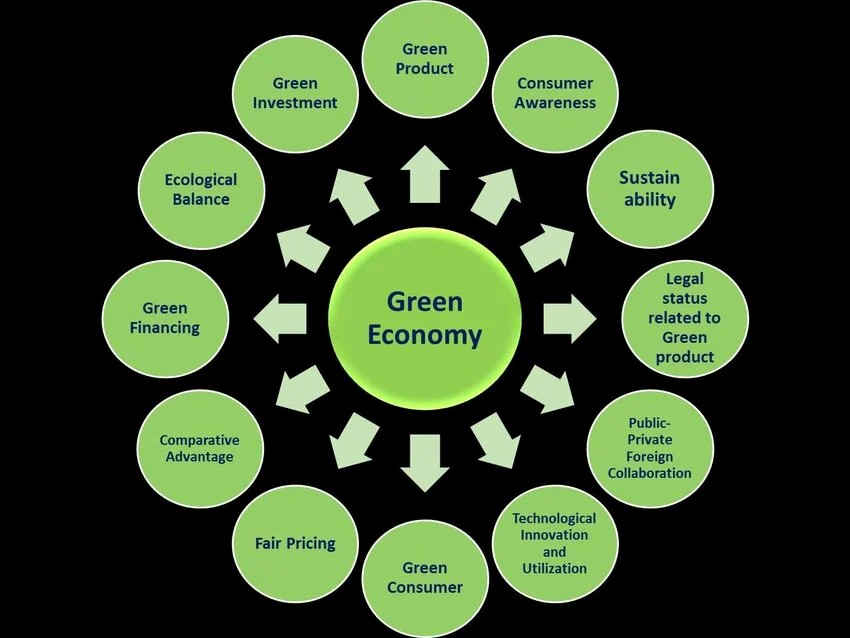
Green management has gained significance as it relates to the global environmental crisis and stakeholders' continually evolving expectations. Therefore, the implementation of green practices will help organizations minimize the environmental impact of their activities and comply with applicable laws, thus creating a competitive advantage for them. Additionally, green management promotes innovation by encouraging the development of environmentally friendly products and processes, which leads to new market opportunities (Hart, 1995).

The most substantial benefit of implementing green management is lowering costs by using resources efficiently. For instance, if companies use renewable energy or energy efficiency technologies, then they will save money in the long term. Also, by implementing programs that reduce waste or recycle materials, companies will be able to reduce their disposal costs, which will also increase their efficiency. 

Green management can have a significant effect on how a company is perceived by the public and, therefore, its level of trust among stakeholders. Today's consumers are particularly conscious of environmental issues and are more likely to buy products from companies demonstrating a commitment to sustainability. Such customers will be more loyal to those brands, and their purchases will represent an increased market share for the company. In addition, investors have begun to consider the environmental, social, and governance (ESG) criteria in their investment decisions; thus, sustainability has become a major driver of financial performance (Eccles et al., 2014).

4. Emerging Trends in Sustainability

Sustainability continues to change rapidly as a result of advances in technology and evolving public expectations. One of the major developments taking place in the field today is the growing popularity of the circular economy, which promotes reuse, recycling, and regeneration of resources rather than relying on the linear “take/make/dispose” model and is focused on minimizing waste while maximizing utilisation of resources (Geissdoerfer et al. 2017). 

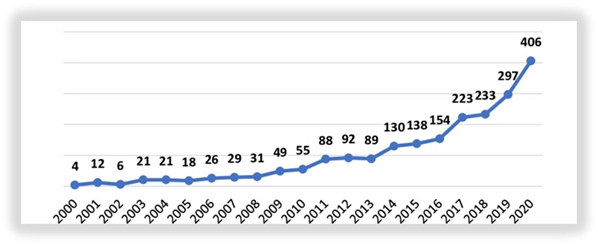
New technologies have also been developed to help improve sustainability efforts. These include: artificial intelligence, big data, and the Internet of Things (IoT). In particular, these technologies are being used to maximise the usage of resources, measure the impact that human activities have on the environment, and improve decision-making. An example is smart energy management systems that continuously collect and analyze real-time data in order to reduce the carbon emissions associated with the use of energy. If the data were used to create a line graph showing how much renewable energy was used by year from 2000 to 2020, it would illustrate the increasing rate of adoption of renewable energy during this time period.

Implementation of Green Management Practices in Organizations

To be able to implement successful sustainability and green management practices within an organization, one must take a systematic and strategic approach to integrate environmental considerations into all functional areas of business operations. Businesses today are starting to realize that sustainability cannot be viewed in isolation; rather, it must become part of the overall organizational culture, decision-making processes, and long-range strategic planning. Therefore, implementing sustainability in a business requires a radical change in how things are done, such as redesigning production processes, changing supply chain management and energy usage patterns, as well as modifying employee behaviour. Environmental audits are typically used at the beginning stages of implementing green management practices to assist organisations in identifying their inefficient activities and environmental impacts, which enables organisations to develop specific plans for improving these areas (as per the ISO 14001 Framework).

Energy-efficient technology and renewable energy implementation play an important role in the successful implementation of green management. Companies are investing in solar energy, wind power, and other forms of energy-efficient machinery to decrease their reliance on fossil fuels. Not only does this assist in addressing greenhouse gas emissions, but it also provides long-term cost savings for companies. For example, when a company switches to renewable energy sources, it can experience energy cost savings of as much as 30% or 40%. This may be visually represented by using a graph that compares energy costs prior to adopting renewable energy with energy costs after its adoption. Furthermore, green buildings and sustainable infrastructure are becoming increasingly popular means of incorporating sustainable design characteristics, natural light and water conservation systems into a building or a subsequent infrastructure. (United Nations Environment Programme, 2019).

Equally important in the green management implementation process is sustainable supply chain management (SCM). Companies are now accounting for their supply chain in terms of raw material sourcing from an environmentally conscious supplier, minimizing transportation emissions, and assuring ethical labor practices. In doing so, companies are utilizing a more holistic approach to sourcing that both reduces the overall environmental impact of their sourcing activities and increases the sustainability of the entire value chain. A flow chart can be used here to illustrate an ideal sustainable supply chain from the raw materials to the final end-user.

5. Corporate Social Responsibility (CSR) and Sustainability

The relationship between Corporate Social Responsibility (CSR), sustainability, and green management is strong due to the fact that CSR focuses on the ethical obligations of businesses towards society and the environment. Typical forms of CSR initiatives include community development, environmental conservation, and employee welfare programs. In recent years, CSR has transitioned from a philanthropic effort to a strategic business function that delivers value to organisations through long-term viability and value creation (Carroll 1999). 

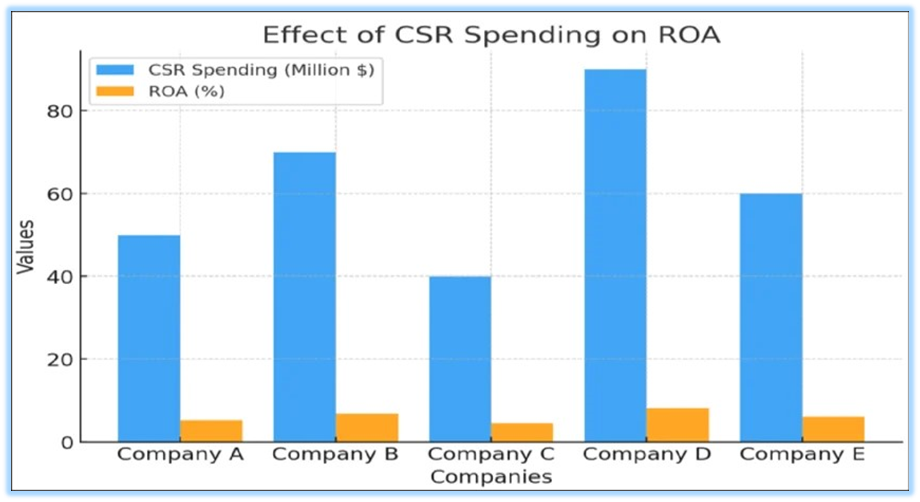
An increasing number of businesses are aligning CSR with their sustainability strategies, focusing on initiatives aimed at reducing carbon emissions, promoting the use of renewable energy, and supporting environmental conservation projects. Examples include companies that are actively investing in reforestation projects and establishing water conservation initiatives to mitigate their environmental impact. Organisations’ spending on environmentally related CSR initiatives over the years can be illustrated in a bar graph. 

In addition, CSR helps enhance stakeholder engagement and develop trust. Companies that engage in social and environmental initiatives are likely to build support with their customers, employees, and investors. As a result, the companies will experience increased organisational performance and long-term viability. A line graph could be used to illustrate the correlation between a company’s CSR investments and profitability over time.

6. Case Studies and Practical Applications

The actual practice of Green Management and Sustainability is more easily understood through the real-life example of businesses that have successfully integrated these practices into their organizations. Leaders such as Tesla, Unilever and Ikea have incorporated Green Management into their core business strategies and have reduced their overall environmental footprint while meeting their business goals and creating profits. From the data obtained by Porter and Kramer (2011), it is clear that these successful companies have shown that environmental sustainability and generating profits are not incompatible objectives.

For example, Unilever’s Sustainable Living Plan has focused on minimizing the company’s environmental footprint and improving social sustainability through measurable metrics such as the amount of greenhouse gases emitted, water used, and waste generated. During the same period that Unilever has reduced greenhouse gas emissions, water used, and waste generated, Unilever has also increased revenue and market share. Similarly, Ikea has been investing more and more heavily in renewable energy and sustainable sourcing in an attempt to be climate positive by 2030. 

As with larger businesses, small and medium-sized enterprises (SMEs) are adopting Green Management Principles to a lesser extent and on a smaller scale than larger organizations; however, these organizations are also focusing on improvements in their environmental performance by implementing energy efficiency technology, reducing waste, and sourcing products through more sustainable channels. A pie chart could be used here to support the statistics of the percentages of SMEs adopting a variety of Green Management strategies.

7. Challenges in Implementing Sustainability and Green Management

Organisations are experiencing challenges in promoting sustainability and green management, despite their increasing recognition as being of paramount importance globally. High initial costs of implementing green technologies and sustainable infrastructure present a substantial barrier for many organisations. These investments typically have long-term benefits through cost savings; however, the majority of small- and medium-sized enterprises are unable to find or allocate financial resources to fund these initiatives. 

As a result, the inability to access the necessary capital can delay or entirely preclude organisations from implementing environmentally sustainable practices, thus limiting their ability to pursue overall sustainability goals effectively (Bansal & Roth, 2000). In addition, there is also a lack of awareness and training of organisation leaders and employees. Given that implementing sustainability initiatives requires specific knowledge and skills comprised of trade disciplines related to environmental management, renewable energy, and sustainable supply chain practices, organisations may struggle to successfully implement green practices into their operations if their employees have not received appropriate training or awareness. 

A key barrier to adopting green management is resistance from both employees and management. Employees may not want to change established processes or routines because they view sustainability initiatives as complex and/or time-consuming. This resistance can prolong the implementation of sustainability initiatives and decrease the impact of sustainability strategies. Additionally, the lack of significant regulatory enforcement in some jurisdictions exacerbates the problem, since organisations may not feel compelled to adopt sustainable practices if they are not required by law to do so (Delmas & Toffel, 2008).

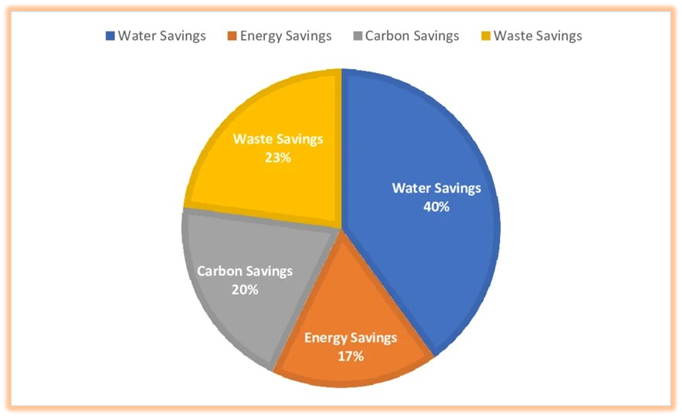
Another challenge is to measure and evaluate sustainability performance since sustainability indicators are frequently qualitative and complex, unlike traditional financial measures. Developing robust metrics and reporting frameworks enables organisations to better measure their sustainability performance. The pie chart below provides insight into the diversity of sustainability indicators (environmental, social, and economic) used by organisations.

8. Future Scope of Sustainability and Green Management

Technological innovation, growing concerns about the environment and changing regulations are driving rapid development in the sustainability and green management area. Various worldwide environmental problems will continue to escalate, and organisations will be expected to provide solutions through innovative and sustainable approaches. Advanced technologies, such as AI, blockchain and IoT, will also have a great impact on sustainability efforts through enabling real-time monitoring, optimising resource management and providing better decision-making (World Economic Forum, 2020).

The shift to a circular economy is one of the leading trends influencing the future of sustainability. By focusing on minimising waste and maximising efficiency in the use of natural resources, supporting re-use, recycling, and regeneration, organisations are now adopting more circular business models, which in turn will help to lessen their impact on the environment and promote sustainability. An example of a circular diagram (or "loop model") can be inserted as a visual representation of the concept of the circular economy.

There has been an increased focus on using Environmental, Social and Governance (ESG) factors to drive investment decisions. There is an increase in prioritising firms with strong sustainability performance in the investment community. This is driving firms and organisations in general to implement green management practices. As ESG investment continues to grow, it has become one of the determining factors of a firm/business’s success. The following graph can be used to illustrate ESG investments globally over the last ten years.

In addition, international organisations and governments are expected to implement stricter environmental regulations/sustainability policies regarding climate change and depleting resources. Therefore, organisations will be forced to adopt sustainable practices to reduce their environmental impact. Furthermore, consumers are becoming increasingly aware of and demand eco-friendly products and will therefore create further demand for green management practices.

9. Conclusion

The concepts of sustainability and green management have become essential parts of the strategy for many companies today, indicating a major change in how companies view growth, their role as leaders, and how they will create lasting value. As we face escalating levels of industrialisation, climate change, and scarcity of resources, it has become obvious that the traditional business model of operating largely focused on profit has failed to be effective in ensuring a healthy balance between the environment and society. Therefore, companies around the world are beginning to implement processes that support the creation of sustainable practices that promote economic goals and environmental stewardship, as well as social responsibility. This shift not only presents ethical requirements for organisations but also represents a business strategy due to the expectation that all businesses will provide their products and services within the larger context of sustainable development and in a manner that protects the needs of future generations (Elkington, 1997).

The adoption of sustainable practices by organisations is redefining success for businesses beyond profitability to include socially responsible and environmentally sustainable practices. Businesses that adopt proactive green management practices, such as improving energy efficiency, reducing waste, sustainable sourcing and designing eco-friendly products, will position themselves to meet the challenges of sustainability and other areas of complexity in the current business world. Sustainable organisations create less of an ecological impact but also provide greater operational efficiencies, stimulate creativity/innovation, and create stronger relationships with employees, customers, and other stakeholders. Additionally, as highlighted in Eccles et al. (2014), the increasing trend of investors focusing on ESG (Environmental-Social-Governance) criteria when making investments results in having sustainable practices be tied directly to the success of the corporation and its impact on investment decisions, and thus linking sustainability with profitability over the long-term.

The road to sustainability can be challenging, however. To succeed in pursuing sustainability, organisations face barriers like: high initial costs of investment; resistance to change; lack of expertise in developing new systems and processes; and difficulty measuring sustainability results. Nevertheless, there are ways to address the challenges of sustainability through the implementation of effective strategies for planning, building capacity, and utilising advanced technology. The role of leadership is also important as visionary leaders are able to facilitate cultural change, encourage innovation, and promote the successful implementation of sustainable development efforts. Additionally, collaboration among all stakeholders (i.e., governments, business, and civil society) is critical in establishing an environment conducive to achieving broader goals for sustainable development.

Sustainable development, green management practices and sustainability generally are here to stay and likely will become a larger portion of the world's economies over time. As technology progresses and environmental awareness grows, sustainability companies will likely be able to grow and develop their systems at a much faster pace. Areas like circular economies, renewable energy, artificial intelligence and big data will transform our world in ways that become important to how we view sustainability and will contribute significantly towards business opportunities and economic growth. (World Economic Forum, 2020).

Overall, sustainability, being an important method of protecting and ensuring the future of organisations and the earth, has become imperative, not just as an option to consider as an organisation grows. As businesses adapt to challenges presented by environmental and social issues, implementing sustainable practices will also become increasingly important to achieve a competitive edge and an organisation's resilience. If an organisation incorporates sustainability into their core process, not only will it create a more equitable, environmentally and economically sustainable future, but it will also fulfil its responsibility to society and the planet. The ultimate success of sustainability initiatives will be based on the collective efforts of all the stakeholders involved, as well as the commitment of everyone to create a world that is both better and more sustainable for future generations.
✍ Publish With Us